Why I'm Moving Away from ChatGPT in 2026 (And You Should Too)
OpenAI's rev share model, intrusive ads, and eroding trust have made 2026 the year to move on. Here's why the landscape has shifted and why alternatives like Gemini and Claude make more sense now.

If you asked me a year ago, I would have told you that ChatGPT was indispensable. In 2025, I wasn't just a casual user; I was in the top 1% of power users. I built workflows, products, and daily habits around it. But a lot can change in a year.
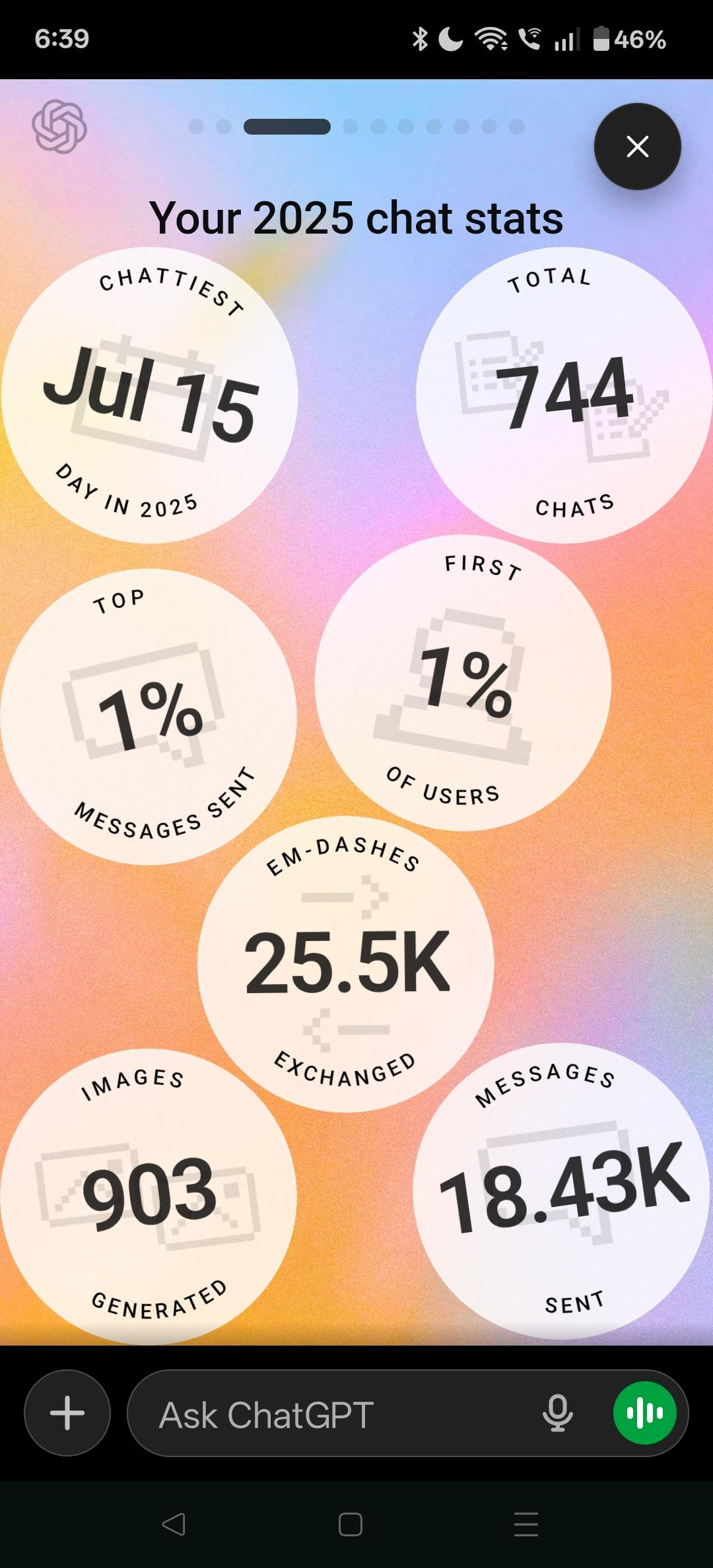
Over the past few weeks, OpenAI has made a series of controversial decisions that I simply can't stand by anymore. While the writing has been on the wall for a while, 2026 is officially the year I'm moving as fast as I can away from the platform.
Here is why the landscape has shifted, and why it's time to look elsewhere.
The "Integrated Partner" Trap
It's clear they no longer care about their core user base. We see it in the intrusive ads cluttering the Free and Go plans, but that's just the tip of the iceberg. That isn't even where I drew the line.
The dealbreaker for me is the new "Rev Share Model" they are forcing onto users.
In short, OpenAI now wants a percentage of the revenue off your ideas if you make something profitable using their tools. They call it an "Integrated Partner Model," but let's call it what it is: a tax on your creativity.
I am already paying $20 a month for a subscription. To ask for a cut of the upside on top of that is, frankly, asinine. They want to be your partner when you win, but where are they when you lose? They want the profit without the risk. It is a partnership in name only, designed solely to cover their own ballooning costs at the expense of the innovators who built their ecosystem.
The Stench of Desperation
It is no wonder we are seeing so many high-profile partnerships dissolving. When companies like Nvidia and Microsoft start finding ways to back out of deals or distance themselves, it makes you nervous about the long-term viability of the platform.
OpenAI's aggressive attempts to become profitable feel less like strategy and more like desperation. They are squeezing the users because the economics aren't working, and that instability poses a massive risk to anyone building a business on top of their API or interface.
The "23andMe" Risk
Beyond the money, there is the question of trust. If OpenAI is on the financial brink, what stops them from becoming the next 23andMe?
When a company faces bankruptcy or severe financial pressure, user data is often the first asset on the auction block. Who is to say they won't sell your chat history, your proprietary ideas, or your personal information when it becomes convenient for them?
In 2023, we trusted them because they were the leaders. In 2026, that trust has eroded.
The Lead is Gone
Finally, we have to acknowledge the reality of the market. This isn't 2023 anymore. OpenAI no longer has a substantial lead on the competition. The "moat" is dry.
Today, we have valid, powerful alternatives. Gemini and Claude have caught up (and in some ways surpassed) the GPT models. Perplexity offers a better research experience. Even the Chinese models like Kimi or DeepSeek are proving to be incredible options for specific use cases.
We are no longer held hostage by a monopoly. We have a choice.
Related Article
How to Use Cursor AI in 2026: The Zero-BS Beginner's Guide
A practical intro to Cursor: Composer vs Plan vs Ask, split-screen workflow, and how .cursorrules keep your design system in check.
Read Now →Final Thoughts
I wish OpenAI the best in figuring it out, but I won't be the one subsidizing their mistakes. The landscape has shifted significantly, and sticking with a tool that penalizes your success and risks your data just doesn't make sense anymore.
2026 is the year I call it quits.
Frequently Asked Questions
Why is OpenAI moving to a rev share model?
OpenAI introduced an "Integrated Partner Model" that requires a percentage of revenue from users who build profitable products with their tools. The move appears driven by ballooning costs and pressure to become profitable, effectively taxing creators who already pay for subscriptions.
What are the best ChatGPT alternatives in 2026?
Gemini and Claude have caught up to (and in some cases surpassed) GPT models. Perplexity offers a stronger research experience. Models like Kimi and DeepSeek are also viable for specific use cases. The competitive landscape has shifted, and users are no longer locked into a single provider.
Is ChatGPT still worth using in 2026?
For many users, the combination of rev share demands, intrusive ads on free tiers, and concerns about data trust make ChatGPT less attractive. Alternatives like Gemini and Claude offer comparable or better capabilities without the same monetization pressure on creators.
Related Reading
Explore more AI tools and alternatives:
- How to Use Cursor AI in 2026: The Zero-BS Beginner's Guide
- GPT-5.1 vs Gemini 3: Which AI Model Is Better for Real Creative Workflows?
- Gemini 3's Image Issues Aren't About Style — They're About Context
- How to Use Gemini Notebooks in 2026 (The Context Bottleneck is Solved)
- The Ultimate Guide to Zapier GPT Integrations (and Why You Should Stop Using Them)
Professional Brand Sheet
$135
Receive a clean, modern brand sheet that defines your visual identity in one place — colors, fonts, logo variations, spacing rules, and brand tone. Ideal for creators launching a website, businesses formalizing their look, and anyone who wants a consistent, professional appearance online.
Ready to build your content engine?
Get a free 20-minute audit of your current processes and discover which workflows you can automate today.