Why Image Accuracy Matters More Than Style
A Real Test of ChatGPT 5.2 vs Gemini 3 Pro
AI image generation has become absurdly good at looking professional. But looking professional and being accurate are two very different things.
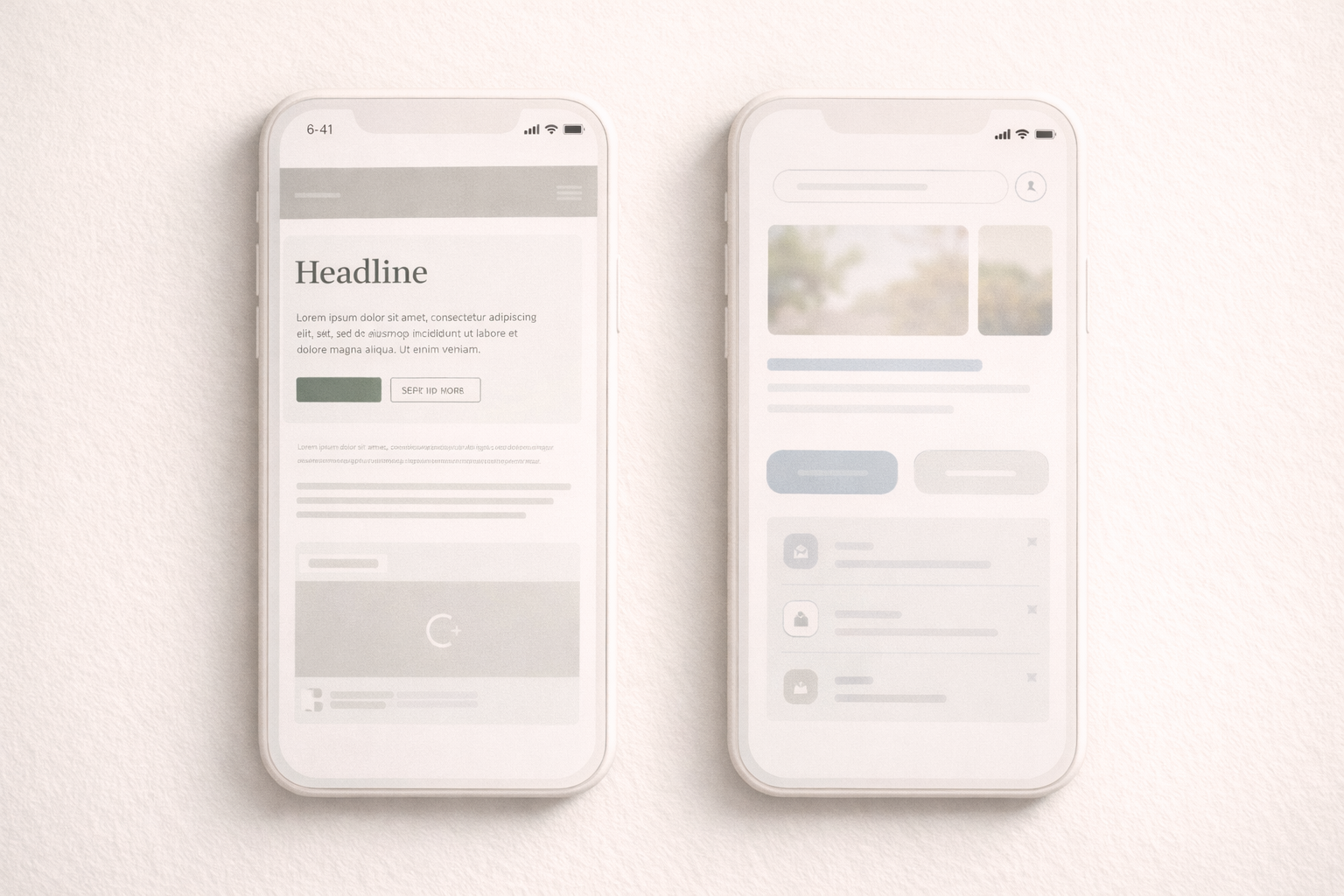
In this test, I compared ChatGPT 5.2 and Gemini 3 Pro using the same prompt, the same website screenshot, and the same goal:
Turn a real, branded website into a premium, client-ready mobile mockup.
The results weren't subtle. One model reproduced my actual website with near-perfect fidelity. The other produced a polished—but generic—stand-in.
This article explains what happened, why it matters, and which model actually wins depending on what you're building.
Quick Answer: Is GPT 5.2 Better Than Gemini 3?
Yes—if accuracy matters.
ChatGPT 5.2 is meaningfully better than Gemini 3 Pro at:
- Translating real interfaces from reference images
- Preserving brand layout, hierarchy, and visual identity
- Producing repeatable, client-safe results
Gemini 3 Pro still excels at:
- Stylistic interpretation
- Creative exploration
- High-level "vibe" generation
If you're an agency, founder, or designer working with real brands, accuracy beats style—and ChatGPT 5.2 currently wins that category.
Is ChatGPT 5.2 Available?
Yes. ChatGPT 5.2 is available through ChatGPT, though access depends on plan tier and rollout timing.
You may see it referenced as:
- ChatGPT 5.2
- GPT 5.2
- ChatGPT Pro
These names are often used interchangeably in search, which explains the confusion in "People Also Ask" results.
Is Gemini 3 Available?
Gemini 3 Pro is available via Google's Gemini platform, though availability and feature access vary by region and account type.
Many users ask "Is Gemini 3 coming?" because:
- Google staggers rollouts
- Feature sets differ between Gemini versions
- Marketing names often outpace documentation clarity
The Test Setup (No Tricks, No Cherry-Picking)
The Goal
Create a premium, professional mobile mockup that accurately represents an existing website—not a generic placeholder UI.
The Prompt
Both models received the exact same prompt:
A premium, minimalist clay-style device mockup displaying a modern website UI…
(full prompt omitted here for brevity, but included verbatim in testing)
The Input
- A real screenshot of my website homepage
- Clear instructions emphasizing brand accuracy over aesthetics
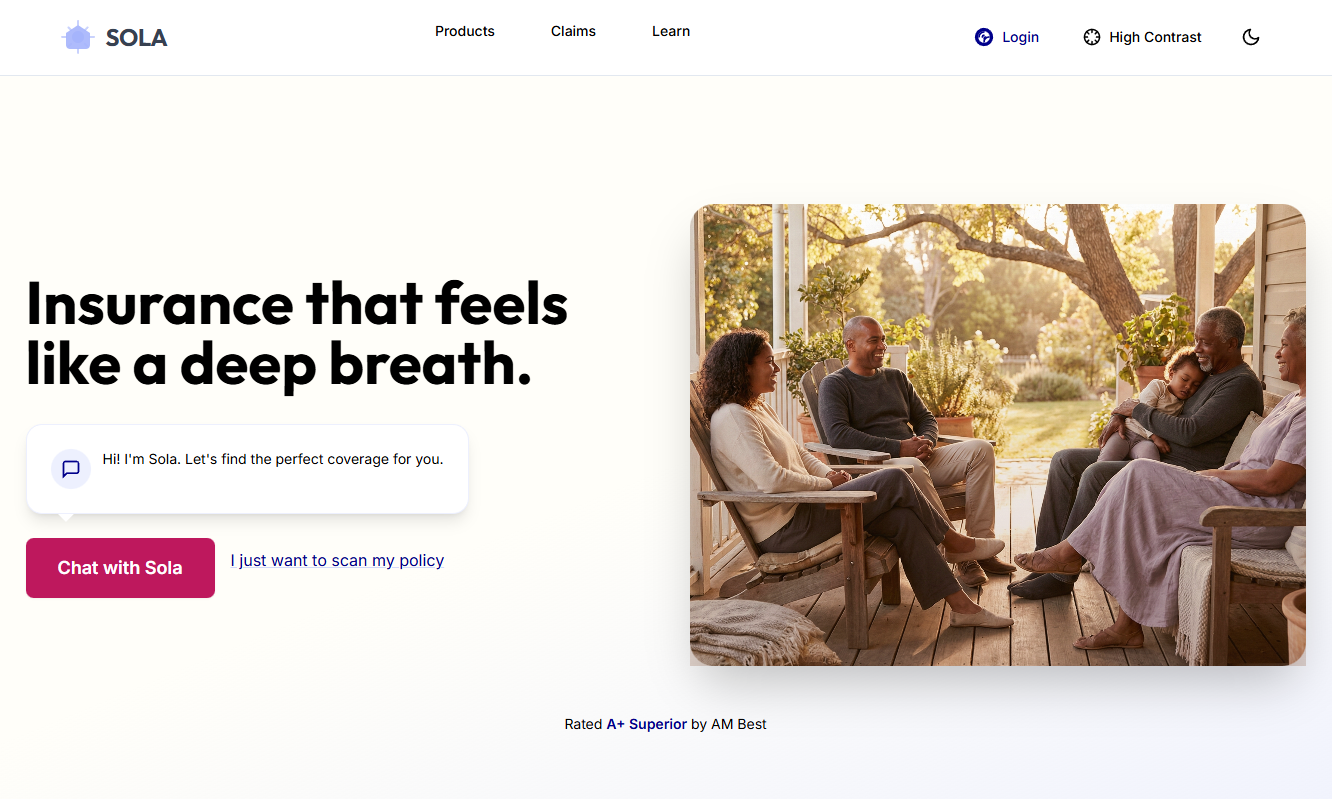
The original website screenshot used as input
The Constraint
No logos. No Apple branding. No sci-fi polish. Just a faithful translation of a real interface.
The Results
ChatGPT 5.2: Brand-Accurate and Repeatable
ChatGPT 5.2:
- Preserved layout structure
- Matched spacing and hierarchy
- Reflected actual UI components from my site
- Reproduced the result consistently across multiple runs
The mockup clearly looked like my website, not just a website.
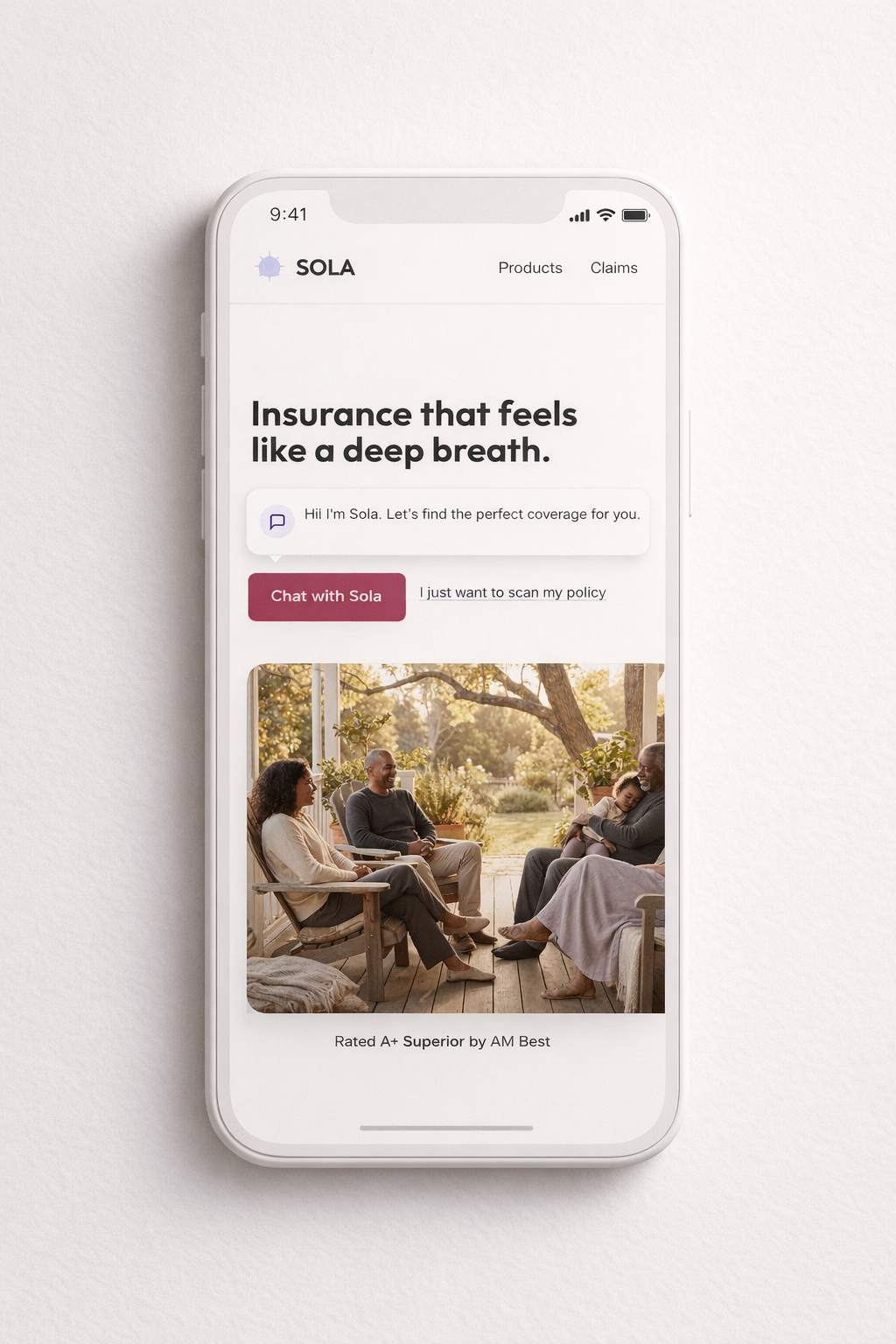
ChatGPT 5.2 result: Preserved layout structure and brand identity
Gemini 3 Pro: Polished but Generic
Gemini 3 Pro:
- Produced visually pleasing mockups
- Followed the general design direction
- Failed to preserve identifiable layout details
- Output looked interchangeable with dozens of other sites
In short: it nailed the vibe, but lost the identity.
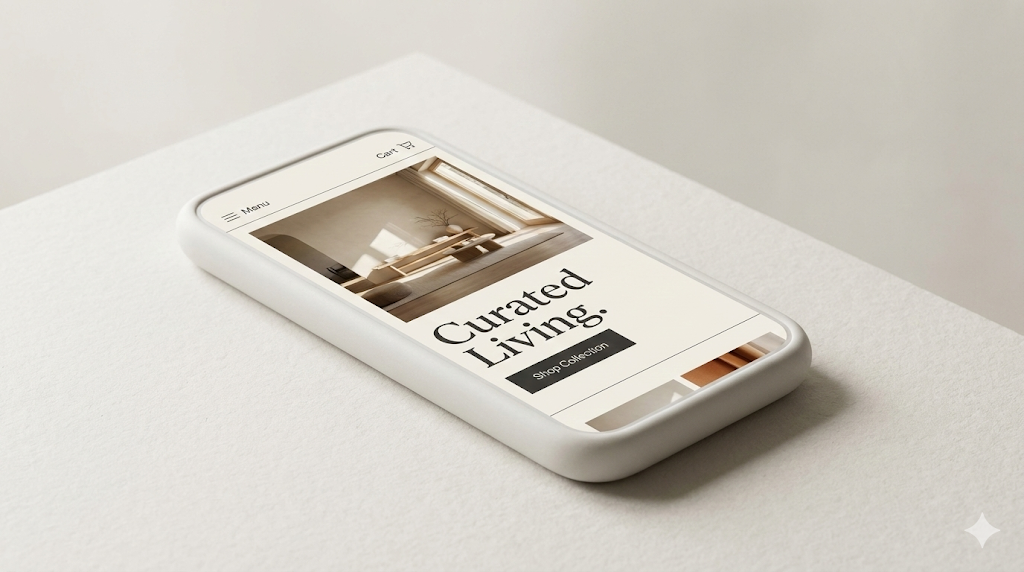
Gemini 3 Pro result: Visually pleasing but generic, lacking brand-specific details
Why This Difference Exists (And Why It Matters)
Most image model comparisons focus on:
- Artistic style
- Realism
- Visual flair
That misses the harder problem: semantic grounding.
Style Synthesis vs Interface Understanding
Gemini 3 Pro excels at synthesizing design language. ChatGPT 5.2 excels at mapping meaning from one modality (a screenshot) into another (a mockup).
That distinction matters when:
- Clients expect accuracy
- Brands rely on consistency
- Outputs must be defensible, not just attractive
Looking good is easy. Looking correct is hard.
Why Accuracy Beats Style for Real Work
If you're:
- Presenting to clients
- Designing production interfaces
- Building brand systems
- Creating marketing assets tied to real products
Then generic mockups are a liability.
They introduce:
- Brand drift
- Misaligned expectations
- Extra revision cycles
ChatGPT 5.2 reduces that risk by anchoring visuals to reality instead of approximation.
When Gemini 3 Pro Still Makes Sense
Gemini 3 Pro isn't "bad." It's just optimized differently.
Use Gemini 3 Pro when:
- You're moodboarding
- Exploring early concepts
- Generating inspiration
- Brand fidelity is optional
Use ChatGPT 5.2 when:
- Accuracy matters
- Consistency matters
- Clients are involved
- Outputs must be repeatable
Why Reddit Keeps Showing Up in This Comparison
Searches like "GPT 5.2 vs Gemini 3 Reddit" exist because users want:
- Real experiences
- Honest comparisons
- Less marketing noise
Most Reddit threads focus on opinions and vibes. This test focuses on evidence.
Screenshots. Repetition. Same inputs. Clear winner.
That's why this comparison matters.
The Bigger Trend This Reveals
This isn't just about two models.
It's about where image generation is heading:
- Away from novelty
- Toward infrastructure
- Toward systems that understand what they're generating—not just how it looks
In that shift, accuracy becomes the moat.
ChatGPT 5.2 didn't win because it's flashier. It won because it understands context better.
Final Verdict
If you care about:
- Brand fidelity
- Interface accuracy
- Professional, client-safe visuals
ChatGPT 5.2 is the clear winner.
Gemini 3 Pro remains excellent for creative exploration—but for real-world work, precision beats polish.

Related Article
The Worst Thing About Gemini 3 Pro (That No One Talks About)
Does Gemini 3 Pro have project folders? No. Here's why the lack of folders makes multi-project work harder and the best workaround for organizing your research.
Read Now →Related Reading
Explore more AI image generation and model comparisons:
- Is ChatGPT 5.2 All the Hype?
- GPT-5.1 vs Gemini 3: Which AI Model Is Better for Real Creative Workflows?
- Nano Banana Pro vs GPT-5.1: Which AI Image Model Wins in 2025?
- How to Generate Clean, Brand-Ready Website Images Using ChatGPT 5.1
Professional Brand Sheet
$135
Receive a clean, modern brand sheet that defines your visual identity in one place — colors, fonts, logo variations, spacing rules, and brand tone. Ideal for creators launching a website, businesses formalizing their look, and anyone who wants a consistent, professional appearance online.
Ready to build your content engine?
Get a free 20-minute audit of your current processes and discover which workflows you can automate today.